
GLP-1 Weight Loss Medication and Hair Shedding; What your hairdresser wants you to know.
GLP-1 medications have become a major talking point, particularly for people using them as part of a weight loss journey. While many people focus on the changes they see in their body, one side effect that can feel especially upsetting is hair shedding.
If you’ve noticed more hair in your brush, in the shower, or around your hairline while losing weight, you are not alone. Hair shedding can happen during periods of rapid weight loss, reduced food intake, stress, or nutritional change — and for some people, this may happen while taking GLP-1 medication.
This article is not medical advice, and you should always speak to your GP, prescriber, or pharmacist if you are concerned. However, from a hair and salon perspective, there are some important things worth understanding.

Why hair shedding can happen during weight loss
Hair is sensitive to what is happening inside the body. When the body goes through a significant change, such as rapid weight loss, a sudden reduction in calories, lower protein intake, illness, stress, or nutritional deficiency, it can interrupt the normal hair growth cycle.
One common type of shedding is called telogen effluvium. This is when more hairs than usual move into the resting phase of the hair cycle, before shedding a few months later. It can feel alarming because the shedding may seem sudden, but in many cases it is temporary once the underlying trigger is addressed.
With GLP-1 medications, the concern is often less about the medication directly “damaging” the hair, and more about what may happen alongside it: eating less, losing weight quickly, struggling with nausea, missing protein, or not getting enough key nutrients to support healthy hair growth.
Signs you may be experiencing hair shedding
You may notice:
More hair coming out when washing or brushing
A thinner ponytail
Less volume around the crown or temples
Hair feeling weaker, drier, or more fragile
More visible scalp than usual
Extensions, colour, or heat styling suddenly feeling harder for your hair to tolerate
If the shedding is heavy, sudden, patchy, painful, or continues for several months, it is always worth speaking to a medical professional.
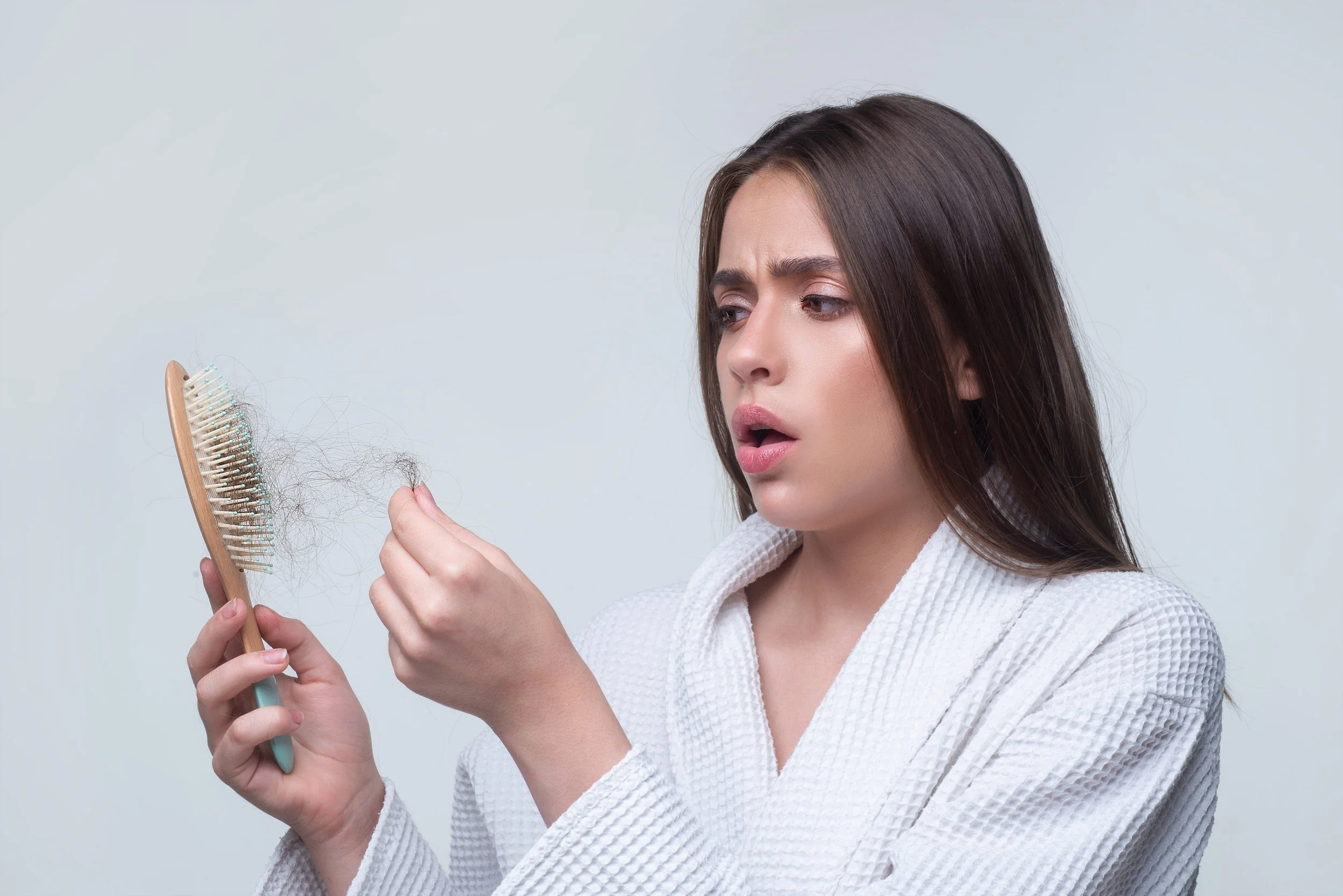
Can shampoo and conditioner stop GLP-1 hair loss?
This is where it is important to be honest.
No shampoo or conditioner can fully prevent hair shedding if the cause is internal, such as rapid weight loss, low protein, low iron, hormonal change, medication, or nutritional deficiency.
However, the right haircare can help protect the hair you do have. A good shampoo and conditioner can support the scalp, reduce breakage, improve moisture, strengthen the feel of the hair, and make fragile hair easier to manage.
Think of haircare as support — not a cure.
What to focus on instead of miracle products
If you are taking GLP-1 medication and are worried about your hair, the most helpful approach is usually a combination of medical, nutritional, and haircare support.
Things to consider include:
Speak to your prescriber if shedding becomes noticeable or worrying
Avoid crash dieting or overly restrictive eating
Prioritise protein at each meal
Ask your GP about checking iron, ferritin, B12, vitamin D, thyroid function, and other relevant markers
Be gentle with your hair while it is shedding
Avoid tight hairstyles, heavy extensions, excessive heat, and harsh chemical services
Use products that support strength, moisture, and scalp comfort
Be patient — hair recovery takes time
Why I may not recommend extensions during active shedding
Hair extensions can be wonderful for the right person, at the right time, on hair that is strong enough to support them.
But if someone is actively shedding, has reduced density, or their hair feels fragile, extensions may not be the safest option. Extensions add weight and tension to the natural hair. When the hair is already under stress, that extra pressure can increase the risk of breakage, thinning, or traction-related hair loss.
This is why I may recommend waiting until the shedding has settled and the hair feels stronger before considering extensions. It is not about saying no for the sake of it. It is about protecting the long-term health of your natural hair.
What products may help support fragile or shedding-prone hair?
The best products will depend on your hair type, scalp condition, colour history, and whether your hair is fine, dry, chemically treated, or naturally fragile.
As a general guide, look for:
A gentle shampoo that cleanses without stripping
A conditioner that adds moisture without weighing the hair down
A strengthening or bond-building treatment if the hair is coloured or compromised
A scalp-friendly routine if the scalp feels sensitive or oily
A lightweight leave-in conditioner or heat protector
Minimal heat styling while shedding is active
The aim is to reduce breakage and keep the hair in the best possible condition while the body adjusts.
When to seek professional advice
You should speak to your GP, prescriber, pharmacist, dermatologist, or trichologist if:
Hair loss is sudden or severe
You notice bald patches
Your scalp is sore, itchy, inflamed, or flaky
Shedding continues for longer than expected
You feel unwell, fatigued, dizzy, or nutritionally depleted
You are unsure whether your diet is supporting your medication journey
A hairdresser can support the condition, styling, and care of your hair, but medical causes of hair loss should always be checked properly.
Final thoughts
Hair shedding can feel emotional, especially when it happens during a period of change. If you are taking GLP-1 medication and have noticed changes in your hair, try not to panic — but do take it seriously.
The best approach is gentle haircare, good nutrition, professional advice where needed, and avoiding anything that puts extra stress on the hair while it is vulnerable.
Your hair may simply need time, support, and a little extra care while your body adjusts.
Concerned about shedding, breakage or whether extensions are right for your hair at the moment? Book a consultation and we can look at the condition of your hair together before deciding on the safest next step.